Mental Health Is Heart Health: Why Your MindMatters for Your Myocardium
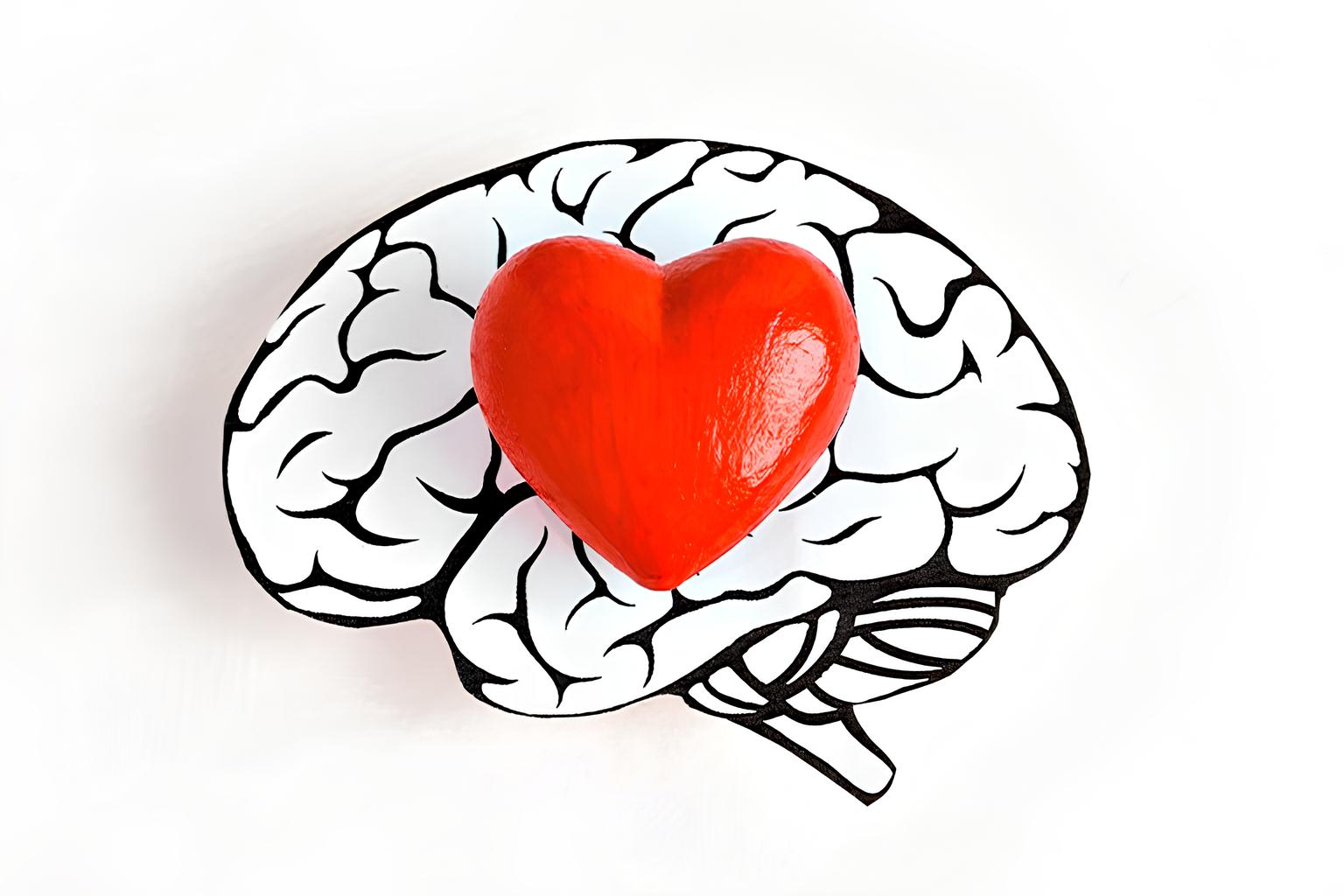
We’ve all heard the old saying, “Listen to your heart.” But in the world of cardiology, we prefer a slightly different perspective: Listen to your mind, because your heart certainly is. It’s easy to think of our emotions and our physical health as living in two separate neighborhoods. We treat a racing mind with therapy or meditation, and we treat a racing heart with beta-blockers or lifestyle changes.
In reality, the two are so closely linked they might as well be sharing the same heartbeat. According to a 2024 study in the Journal of the American Heart Association (JAHA), individuals with high levels of anxiety have a 48% higher risk of developing heart disease than those who report feeling calm. So one can safely conclude that what happens upstairs in your head has a direct, physical impact on the “engine” in your chest.
Since May is Mental Health Awareness Month, it is the perfect time to shift the focus from seeing stress as just an “emotional hurdle” to recognizing it as a physiological reality. At Dr. Sangani and Associates, we see daily how caring for your mental well-being is just as transformative for your arteries as the medicine we prescribe.
The Invisible Bridge: How Emotions Become Physical
Your heart is the most sensitive “mood ring” you own. When you experience chronic stress, anxiety, or burnout, your body doesn’t just feel tired; it enters a state of high alert. This triggers the sympathetic nervous system to release a surge of hormones like cortisol and adrenaline. Research published in The Lancet found that people working more than 55 hours a week, a common driver of burnout, have a 13% increased risk of coronary heart disease.
While this “fight or flight” response was great for our ancestors, it wasn’t designed to be turned on by a 9-to-5 job or a never-ending news cycle. When these hormones stay elevated:
- Your blood pressure climbs: Adrenaline narrows your blood vessels, forcing your heart to work harder.
- Inflammation sets in: Chronic cortisol exposure is like a slow-burning fire in your arteries, promoting plaque buildup.
- Electrical signals haywire: Stress can disrupt the heart’s natural rhythm, leading to palpitations or more serious arrhythmias.
Mental States vs. Cardiac Impact
If you’re wondering how your current mental state might be affecting your “high-performance engine,” use this table as a quick reference guide.
Understanding the Heart-Mind Feedback Loop
| Mental State | Physical Cardiac Effect | The Long-Term Risk | Heart-Healthy “Reset” |
| Chronic Stress | Sustained high cortisol levels. | Arterial wall damage & hypertension. | Box Breathing: 4 counts in, 4 hold, 4 out. |
| Untreated Anxiety | Frequent spikes in heart rate (tachycardia). | Increased strain on the myocardium (heart muscle). | The “20-Minute Move”: Brisk walking to clear adrenaline. |
| Workplace Burnout | Systemic inflammation & poor sleep. | High risk of irregular heart rhythms (AFib). | Digital Detox: No screens 60 minutes before bed. |
| Grief/Acute Loss | Surge of “stress-induced” hormones. | Takotsubo Cardiomyopathy (Broken Heart Syndrome). | Social Connection: Talking to a friend or professional. |
| Social Isolation | Elevated resting heart rate & BP. | Increased risk of plaque buildup (atherosclerosis). | Community Engagement: Joining a local club or group. |
3 Pillars of Mental Self-Care for Heart Protection
Taking care of your mind doesn’t have to mean a total life overhaul. Just like heart-healthy eating, it’s about small, intentional wins. Data from Harvard T.H. Chan School of Public Health shows that the most optimistic individuals have a 35% lower risk of major cardiovascular events like heart attacks or strokes.
01 | Movement: The Natural Beta-Blocker
Exercise is often framed as a way to lose weight, but at our clinic, we view it as a mental “reset button.” A 20-minute walk doesn’t just strengthen your heart muscle; it physically “burns off” the stress hormones that have been circulating in your blood all day. It’s the most accessible form of anxiety relief we have.
02 | Rest: The Repair Cycle
Sleep is when your heart rate and blood pressure naturally drop, giving your cardiovascular system a much-needed break. Chronic stress often steals our sleep, which in turn raises our stress—a vicious cycle. Prioritizing a consistent sleep schedule is one of the most powerful “prescriptions” for a stable heart rhythm.
03 | Connection: The Safety Net
Humans are social creatures. When we feel supported, our bodies produce oxytocin, often called the “cuddle hormone.” Oxytocin has a direct, protective effect on the heart; it helps dilate blood vessels and lowers blood pressure. Talking about your stress isn’t just “venting”—it’s medicine. A report from the U.S. Surgeon General suggests that social isolation and loneliness increase the risk of heart disease by 29% and stroke by 32%~ an impact comparable to smoking 15 cigarettes a day.
Why This Matters for Your Long-Term Health
At Dr. Sangani and Associates, we often meet patients when they are already worried about a specific symptom, like chest tightness or palpitations. Frequently, these symptoms are the heart’s way of sounding the alarm that the mind is overloaded.
We don’t just look at your EKG; we look at your life. The connection is undeniable: The American Heart Association (AHA) reports that people with depression are twice as likely to face a second heart event within a year, compared to those without clinical depression.
Because we limit our patient load, we love taking the extra time during your visit to talk through these lifestyle wins. We’re here to help you refine your sleep hygiene and master stress-management techniques so that your heart’s rhythm is dictated by your health—not your high-pressure schedule.
Key Takeaways for Your Heart:
- The Alarm: Chest palpitations can be a physical response to mental burnout.
- The Risk: Mental health struggles significantly impact recovery times and long-term cardiac resilience.
- The Win: A calm mind is one of the most effective “prescriptions” for a steady heart.
1. Can anxiety actually cause permanent damage to my heart?
Occasional anxiety won’t cause permanent damage, but chronic anxiety keeps your heart in a
state of overwork. Over years, the resulting high blood pressure and inflammation can lead to
arterial thickening and a higher risk of heart disease. Managing anxiety is a form of long-term
prevention.
2. What is “Broken Heart Syndrome,” and is it real?
Yes, it is clinically known as Takotsubo Cardiomyopathy. It is a temporary heart condition often
brought on by stressful situations or extreme emotions. The heart’s main pumping chamber
changes shape, mimicking a heart attack, even if the person has no history of clogged arteries.
3. How do I know if my racing heart is a panic attack or a heart issue?
It can be hard to distinguish. Typically, panic attacks are accompanied by intense fear and
resolve within minutes. Cardiac issues may involve pain radiating to the jaw or arm and won’t go
away with deep breathing. When in doubt, always seek immediate medical evaluation.
4. Does meditation really lower blood pressure?
Yes. Clinical studies show that regular mindfulness meditation stimulates the parasympathetic
nervous system (the “rest and digest” mode). This naturally lowers your heart rate and blood
pressure, providing your heart with a period of recovery that counteracts the damage caused by
daily stress.
5. How does lack of sleep affect my heart’s rhythm?
Sleep deprivation prevents the heart from entering its natural “dipping” phase, where blood
pressure lowers. This constant high-pressure environment can disrupt the electrical signals in
your heart, potentially leading to conditions like Atrial Fibrillation (AFib) or frequent palpitations
over time.