
National Nutrition Month: 10 Smart Swaps for a Stronger Heart
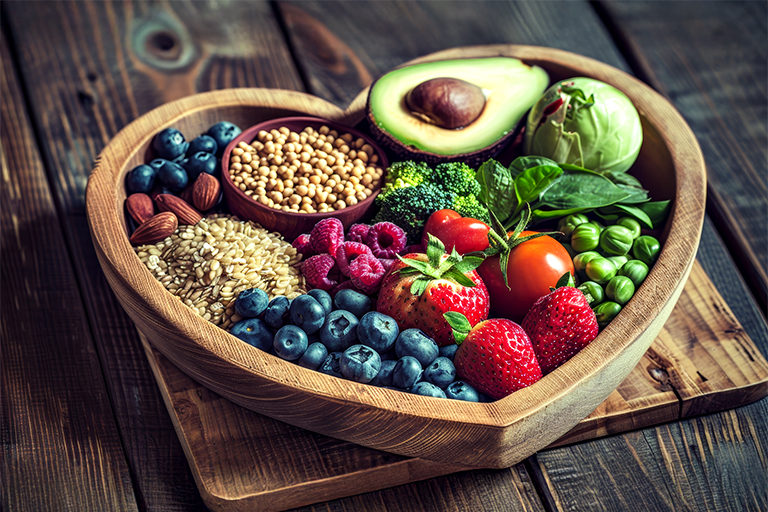
We’ve all heard the old saying, “You are what you eat.” But in the world of cardiology, we prefer a slightly different version: What you eat today shapes your heart tomorrow. It may sound simple, yet between busy work schedules and the convenience of processed snacks, making the “right” choice can feel like a chore.
The good news? Heart-healthy eating isn’t about clearing out your pantry or suffering through flavorless meals.
Since March is National Nutrition Month, it’s the perfect time to shift the focus from restrictive dieting to smart, sustainable choices. At Bharat Sangani M.D., we see daily how small, intentional adjustments to your plate can be just as transformative as the medicine we prescribe.
The 3 Pillars of Heart-Healthy Eating
Your heart is like a high-performance engine. To keep it running smoothly for decades, you need the right fuel. Instead of focusing on what you can’t have, let’s look at three “big wins” that stabilize your system.
01 | Lowering Sodium: Give Your Arteries a Break
Sodium is like a sponge. When you eat too much of it, it pulls water into your bloodstream, increasing the volume of blood your heart has to pump. This extra “pressure” is exactly what leads to hypertension and, eventually, more serious issues like angina or heart failure.
The reality is that 90% of Americans consume too much sodium. According to the American Heart Association, making a collective effort to trim back salt could prevent up to 1 million deaths by 2030.
Pro Tip: Most salt doesn’t come from your shaker; it’s hidden in “The Salty Six”: breads, pizza, sandwiches, deli meats, canned soups, and burritos.
02 | Healthy Fats: The “Cleanup Crew”
Not all fats are bad. While saturated fats (like those in butter or red meat) can lead to plaque buildup, Omega-3 fatty acids (from fish, walnuts, and flaxseeds) act like a cleanup crew for your arteries.
In fact, the New England Journal of Medicine shows that people following a Mediterranean-style diet (rich in these healthy fats) have a 30% lower risk of major heart events.
03 | Fiber: Your Natural Cholesterol Filter
Soluble fiber is like a natural magnet for cholesterol. Instead of letting those waxy fats slip into your bloodstream and settle in your arteries, fiber binds to them in the digestive tract. It effectively creates a gel-like trap that escorts cholesterol out of your body before it can do any damage.
According to the National Institutes of Health (NIH), adding just 10g of fiber to your daily routine can drop your LDL (“bad”) cholesterol by 5-10%. That’s a massive win for such a small change.
The “Smart Swap” Guide: Better Flavor, Better Heart
The best way to stick to a healthy habit is to make it easy. Use this table as your cheat sheet the next time you’re at the grocery store.
10 Easy Heart-Healthy Substitutions
| Instead of This… | Go For This | The Heart-Healthy “Why” | |
| 1 | Table Salt | Lemon, Garlic and Herbs | Keeps blood pressure stable without losing flavor. |
| 2 | White Rice | Quinoa or Farro | Extra fiber helps filter out cholesterol. |
| 3 | Butter or Lard | Extra Virgin Olive Oil | Packed with heart-protective antioxidants. |
| 4 | Sugary Sodas | Sparkling Water with Lime | Cuts out “hidden” sugar that leads to weight gain. |
| 5 | Red Meat | Lentils or Fatty Fish | Lowers saturated fat while keeping your protein high. |
| 6 | White Bread | Sprouted or Whole Grain | Slows sugar absorption and improves heart-muscle health. |
| 7 | Whole Milk | Almond or Oat (Unsweetened) | Lowers intake of artery-clogging saturated fats. |
| 8 | Sour Cream | Plain Greek Yogurt | Adds probiotics and protein without the high fat content. |
| 9 | Potato Chips | Air-Popped Popcorn | A whole-grain snack that satisfies crunch with less oil. |
| 10 | Mayo/Creamy Dressings | Smashed Avocado or Hummus | Provides monounsaturated fats to lower LDL levels. |
Why This Matters for Your Long-Term Health
At our clinic, we often meet patients when they are already worried about a specific symptom. But the real “magic” happens in the prevention phase.
Our Nurse Practitioner (NP) frequently works with our patients on Obesity Management, not just for the sake of the scale, but because excess weight, especially around the midsection, creates inflammation that can damage the heart muscle (the myocardium) over time.
By choosing olive oil over butter or a handful of walnuts over chips, you’re doing more than “eating light.” You’re lowering systemic inflammation and protecting your heart’s rhythm. Because we limit our patient load, we love taking the extra time during your visit to talk through these lifestyle wins, not just your lab results.
Grocery Shopping Like a Pro: 3 Quick Tips
- Shop the Perimeter: The “live” food (produce, lean meat, dairy) is usually around the edges. The middle aisles are where the high-sodium, shelf-stable processed foods hide.
- Check for “Added Sugars”: Even “healthy” yogurts can be sugar bombs. Flip the label and look for 0g of added sugar.
- The 5-Gram Rule: When buying bread or cereal, look for an option with at least 5 grams of fiber per serving. Your cholesterol levels will thank you.
Let’s Work Together Towards a Stronger Heart
National Nutrition Month is a great time to hit the reset button. At Bharat Sangani M.D., we’re not just here for the high-tech procedures; we’re here to be your partner in staying healthy enough never to need them.If you want a clearer picture of your heart health, from advanced diagnostics to a personalized nutrition plan, contact us. We take the time to listen because we know that every heart has a different story.
Frequently Asked Questions
Is my morning coffee okay for my heart?
In 2026, the consensus is still a “yes”. Moderate coffee intake (2-3 cups) is associated with a lower risk of heart failure. Just watch out for the “extras,” heavy cream and sugar can quickly turn a healthy habit into a cardiac hurdle.
Can I really eat my way out of plaque buildup?
Diet can definitely stop new plaque from forming and help stabilize what’s already there. However, if you already have calcified plaque, you need clinical monitoring. That’s why we offer on-site diagnostics like vascular studies, to see exactly how your hard work in the kitchen is paying off inside your arteries.
Can I use salt substitutes?
Many salt substitutes use potassium chloride. While they are fine for some, they can be tricky for people with kidney issues or those on specific heart meds. It’s always best to check with your doctor before making the switch.
References
American Heart Association: 2024 Dietary Recommendations.
Journal of the American College of Cardiology: Nutrition and Cardiovascular Disease Prevention (2025).
CDC: Sodium and Health Research Updates.