
National Nutrition Month: 10 Smart Swaps for a Stronger Heart

We’ve all heard the old saying, “You are what you eat.” But in the world of cardiology, we prefer a slightly different version: What you eat today shapes your heart tomorrow. It may sound simple, yet between busy work schedules and the convenience of processed snacks, making the “right” choice can feel like a chore.

The good news? Heart-healthy eating isn’t about clearing out your pantry or suffering through flavorless meals.

Since March is National Nutrition Month, it’s the perfect time to shift the focus from restrictive dieting to smart, sustainable choices. At Bharat Sangani M.D., we see daily how small, intentional adjustments to your plate can be just as transformative as the medicine we prescribe.

The 3 Pillars of Heart-Healthy Eating

Your heart is like a high-performance engine. To keep it running smoothly for decades, you need the right fuel. Instead of focusing on what you can’t have, let’s look at three “big wins” that stabilize your system.

01 | Lowering Sodium: Give Your Arteries a Break

Sodium is like a sponge. When you eat too much of it, it pulls water into your bloodstream, increasing the volume of blood your heart has to pump. This extra “pressure” is exactly what leads to hypertension and, eventually, more serious issues like angina or heart failure.

The reality is that 90% of Americans consume too much sodium. According to the American Heart Association, making a collective effort to trim back salt could prevent up to 1 million deaths by 2030.

Pro Tip: Most salt doesn’t come from your shaker; it’s hidden in “The Salty Six”: breads, pizza, sandwiches, deli meats, canned soups, and burritos.

02 | Healthy Fats: The “Cleanup Crew”

Not all fats are bad. While saturated fats (like those in butter or red meat) can lead to plaque buildup, Omega-3 fatty acids (from fish, walnuts, and flaxseeds) act like a cleanup crew for your arteries.

In fact, the New England Journal of Medicine shows that people following a Mediterranean-style diet (rich in these healthy fats) have a 30% lower risk of major heart events.

03 | Fiber: Your Natural Cholesterol Filter

Soluble fiber is like a natural magnet for cholesterol. Instead of letting those waxy fats slip into your bloodstream and settle in your arteries, fiber binds to them in the digestive tract. It effectively creates a gel-like trap that escorts cholesterol out of your body before it can do any damage.

According to the National Institutes of Health (NIH), adding just 10g of fiber to your daily routine can drop your LDL (“bad”) cholesterol by 5-10%. That’s a massive win for such a small change.

The “Smart Swap” Guide: Better Flavor, Better Heart

The best way to stick to a healthy habit is to make it easy. Use this table as your cheat sheet the next time you’re at the grocery store.

10 Easy Heart-Healthy Substitutions
Instead of This…Go For ThisThe Heart-Healthy “Why”
1Table SaltLemon, Garlic and HerbsKeeps blood pressure stable without losing flavor.
2White RiceQuinoa or FarroExtra fiber helps filter out cholesterol.
3Butter or LardExtra Virgin Olive OilPacked with heart-protective antioxidants.
4Sugary SodasSparkling Water with LimeCuts out “hidden” sugar that leads to weight gain.
5Red MeatLentils or Fatty FishLowers saturated fat while keeping your protein high.
6White BreadSprouted or Whole GrainSlows sugar absorption and improves heart-muscle health.
7Whole MilkAlmond or Oat (Unsweetened)Lowers intake of artery-clogging saturated fats.
8Sour CreamPlain Greek YogurtAdds probiotics and protein without the high fat content.
9Potato ChipsAir-Popped PopcornA whole-grain snack that satisfies crunch with less oil.
10Mayo/Creamy DressingsSmashed Avocado or HummusProvides monounsaturated fats to lower LDL levels.


Why This Matters for Your Long-Term Health

At our clinic, we often meet patients when they are already worried about a specific symptom. But the real “magic” happens in the prevention phase.

Our Nurse Practitioner (NP) frequently works with our patients on Obesity Management, not just for the sake of the scale, but because excess weight, especially around the midsection, creates inflammation that can damage the heart muscle (the myocardium) over time.

By choosing olive oil over butter or a handful of walnuts over chips, you’re doing more than “eating light.” You’re lowering systemic inflammation and protecting your heart’s rhythm. Because we limit our patient load, we love taking the extra time during your visit to talk through these lifestyle wins, not just your lab results.

Grocery Shopping Like a Pro: 3 Quick Tips

  1. Shop the Perimeter: The “live” food (produce, lean meat, dairy) is usually around the edges. The middle aisles are where the high-sodium, shelf-stable processed foods hide.
  2. Check for “Added Sugars”: Even “healthy” yogurts can be sugar bombs. Flip the label and look for 0g of added sugar.
  3. The 5-Gram Rule: When buying bread or cereal, look for an option with at least 5 grams of fiber per serving. Your cholesterol levels will thank you.

Let’s Work Together Towards a Stronger Heart

National Nutrition Month is a great time to hit the reset button. At Bharat Sangani M.D., we’re not just here for the high-tech procedures; we’re here to be your partner in staying healthy enough never to need them.If you want a clearer picture of your heart health, from advanced diagnostics to a personalized nutrition plan, contact us. We take the time to listen because we know that every heart has a different story.

Frequently Asked Questions

Is my morning coffee okay for my heart?

In 2026, the consensus is still a “yes”. Moderate coffee intake (2-3 cups) is associated with a lower risk of heart failure. Just watch out for the “extras,” heavy cream and sugar can quickly turn a healthy habit into a cardiac hurdle.

Can I really eat my way out of plaque buildup?

Diet can definitely stop new plaque from forming and help stabilize what’s already there. However, if you already have calcified plaque, you need clinical monitoring. That’s why we offer on-site diagnostics like vascular studies, to see exactly how your hard work in the kitchen is paying off inside your arteries.

Can I use salt substitutes?

Many salt substitutes use potassium chloride. While they are fine for some, they can be tricky for people with kidney issues or those on specific heart meds. It’s always best to check with your doctor before making the switch.


References

American Heart Association: 2024 Dietary Recommendations.

Journal of the American College of Cardiology: Nutrition and Cardiovascular Disease Prevention (2025).

CDC: Sodium and Health Research Updates.

Preventive Cardiology: Catching Problems Before They Start

Happy American Heart Month! As we reflect on this national observance, we here at Dr. Sangani & Associates want to raise awareness about cardiovascular health and promote why it’s important to live heart-healthy lifestyles. While it’s common to overlook treatment plans for when you have issues with your heart, you should be focusing on preventative methods instead. Research outlines preventive cardiology as a field focused on preventing or delaying the onset of various issues dealing with the human heart.

One key aspect of preventive cardiology is early intervention by catching problems before they actually start. When concerning your heart health, our lead cardiologist, Dr. Bharat Sangani, recommends you focus on the following target areas:

  • Weight Management: Express weight can strain the heart by making it pump harder, leading to the enlargement of the muscle and a higher risk of heart failure, heart attacks, strokes, diabetes, and more health deficits. 
  • Tobacco Cessation: If you smoke, tobacco can lead to the buildup of fatty plaque in your arteries called atherosclerosis. This can reduce the levels of oxygen in your blood, leading to potential high blood pressure and an increased heart rate.
  • Increase Physical Activity: Regular exercise can strengthen the heart muscle and make it more efficient at pumping blood. This improves cholesterol numbers, manages weight, and significantly lowers the risk of a variety of different diseases that could affect the heart. The American Heart Association recommends 150 minutes of moderate to intense aerobic activity per week.
  • Reduce Stress: High levels of stress negatively impacts heart health by raising heart rate and blood pressure through the introduction of stress hormones (adrenaline and cortisol). If you don’t have your stress in check, you could have an increased risk for heart attack and stroke, and likely utilize poor coping mechanisms like poor dieting or smoking; which also contributes to an unhealthy heart. 

Preventive cardiology starts with you! For individuals with a family history of heart health deficits, it’s important that you adopt a healthy and consistent lifestyle. Of the target areas mentioned above, the most important is getting regular check-ups with your cardiologist so you can always stay a step ahead. Here at Dr. Sangani & Associates, we utilize a wide variety of preventive tools to ensure your heart is at its best! Curious about how you can stay on top of your heart health? Don’t wait! Call us and schedule an appointment with us today!

Top 5 Heart-Healthy Resolutions for 2026 (Backed by Cardiologists)

With the new year a few weeks behind us, it’s a good time to reflect and see how we’re keeping up with our new year’s resolutions. Have you been staying on top of your health goals for the year? With more advancements in healthcare and wellness, people are prioritizing their well-being in ways that haven’t been done in the past. In some recent published studies focusing on cardiac health trends, here are five heart-healthy resolutions you should focus on for the upcoming year:

Start at the Doctor: If you haven’t seen your cardiologist lately, that would be a great way to start your year. While it’s important to stay fit and eat healthy, it’s even more crucial to know and understand your health levels. At Dr. Sangani & Associates, we provide a variety of heart-health related services to access and, if necessary, address any cardiac related issues. 

Constant Movement: Experts say one of the best benefits for heart longevity is consistent exercise; this can help reduce the chances of coronary heart disease. The American Heart Association recommends at least 150 minutes of physical activity per week for adults. Some benefits to consistent exercise include:

  • Helps regulate blood pressure
  • Reduces the risk of obesity
  • Improves management of blood sugar, insulin, and C-reactive protein (CRP) levels
  • Strengthens the heart’s cardiac muscle cells (myocardium), which are designed for continuous contraction
  • Enhances heart strength through regular moderate to vigorous physical activity
  • Increases blood flow to muscles and boosts oxygen levels
  • Supports overall peak physical performance

Eating Healthier, Consistently: This doesn’t mean stick straight to veggies and cut out sugar altogether. Studies emphasize how balance is key when maintaining a proper level of nutrition. It benefits not just your heart health, but your overall body functionality. Here are a few tips to keep in mind when trying to achieve a heart-healthy diet:

  • Eat a wide variety of vegetables, fruits, and whole grains
  • Limit foods high in saturated fat and sodium
  • Reduce or avoid alcohol intake
  • Choose healthy protein sources such as legumes, nuts, seafood, fat-free dairy, and unprocessed poultry

Above all else, it’s important to know your limits so you can maintain a safe and stable body weight, inevitably leading to a healthy beating heart!

Lose the Stress: While it’s easier said than done, people don’t realize how detrimental stress can be on our hearts. There are a variety of ways that stress can lead to heart disease. Stress, whether chronic or long-term, can cause high levels of inflammation that lead to plaque build up in the arteries. In other cases, stress produces an increase of catecholamines, which includes the hormone adrenaline. This hormone causes the heart to beat faster and raises blood pressure, and too much of that overtime could eventually damage the heart. Experts suggest talking to your cardiologist provider about how to deal with your levels of stress, as a treatment that works best is different for everyone.

Embrace Your Beauty Sleep: A lack of sleep imposes a threat to your mental and physical health; especially heart. Studies show there are nearly one in three adults not getting the recommended seven hours per night. Chronic sleep deprivation can affect your cardiovascular system, inevitably leading to heart problems such as:

  • Inflammation
  • Metabolic changes (including weight gain)
  • High blood pressure
  • Cognitive impairment

According to the University of Chicago Medicine, adults who sleep an average of 5 hours per night or less have a 200% to 300% higher risk of developing coronary artery disease. While we live in a fast-paced world, it’s crucial to take into account the importance of sleep and recharging your body after the hard work done throughout the other 16 hours.

Here at Dr. Sangani & Associates, we’re always driving the mission to adhere to our yearly resolution, which never changes–and that’s to give the very best cardiac health service to our patients! As mentioned before, the greatest way to stay on top of your heart health is by regularly visiting your cardiologist, so don’t wait– call us and schedule an appointment today!

References

American Heart Organization. (2024, July 30). The American Heart Association Diet and Lifestyle Recommendations. American Heart Association. https://www.heart.org/en/healthy-living/healthy-eating/eat-smart/nutrition-basics/aha-diet-and-lifestyle-recommendations

Katella, K. (2025, November 20). Yes, stress can hurt your heart: 3 things to know. Yale Medicine. https://www.yalemedicine.org/news/stress-affects-your-heart

Muthu Velusamy, MD, FACC, ABVM. (n.d.). New Year resolutions to boost your heart health: Cardiovascular Institute of America: Cardiovascular disease specialists. https://www.cardiologytampa.com/blog/new-year-resolutions-to-boost-your-heart-health

NHLBI, NIH. (2022, March 24). Benefits. https://www.nhlbi.nih.gov/health/heart/physical-activity/benefits#:~:text=When%20done%20regularly%2C%20moderate%2D%20and,levels%20in%20your%20blood%20rise.

How Cold Weather Affects Your Heart Health

Winter is coming! However, do not fret! This is not to be taken as a bad omen (as discovered in one HBO medieval fantasy television series), but a reminder to buy warmer clothes and marshmallows to go with your hot chocolate! Winter months normally bring cooler temperatures, sometimes associated with ice and/or snow. While not a dangerous element to deal with for most people, it can be particular;y dangerous for individuals with pre-existing heart conditions, potentially increasing the risk of heart attacks and other cardiovascular issues. Dr. Sangani, our lead cardiologist, has a few tips for those who enjoy the cool weather, but may have underlying heart conditions:

  • Dress warmly in layers
  • Stay active, but avoid overexertion while outdoors
  • Monitor your health
  • Recognize symptoms and act fast (if necessary)

Most people aren’t conditioned enough to endure physical stress in freezing temperatures. Individuals who enjoy getting active during the winter without certain precautions can possibly suffer from hypothermia. Hypothermia occurs when the body’s temperature falls below 35 degrees Celsius or 95 degrees Fahrenheit. Research from the American Heart Association reveals that we shouldn’t just worry about cold temperatures; wind can be dangerous as it removes the layer of heated air from around your body. For example, a 30 mile-per-hour wind has a cooling effect equal to 15 degree Fahrenheit. To stay warm, as recommended by Dr. Sangani, you should not just dress “thick”, but in layers to form a protective insulation. Other areas like your head and ears should be protected as well; ears are susceptible to frostbite and heat can potentially be lost through your head. 

Why should you take so many precautions against freezing weather? Other than goosebumps and tight skin, colder temperatures can negatively impact heart health by:

  • Causing blood vessels to constrict: Cold air can cause blood vessels to narrow in order to conserve heart. This constriction increases blood pressure, essentially making the heart work harder.
  • Increasing your heart strain: Your heart working harder due to constricted blood vessels make it more susceptible to strains, especially for those with a history of heart disease, high blood pressure, or heart failure. 
  • Decreasing oxygen supply: (For people with coronary artery disease) Cold weather can confuse the body’s oxygen demand, leading to a reduced oxygen supply, making one susceptible to myocardial ischemia (lack of blood flow to the heart). 
  • Creating susceptibility to arrhythmias: Cold weather can make people (even healthier individuals) susceptible to cardiac arrhythmias (irregular heartbeats).
  • Developing a higher risk of cardiovascular events: Research highlights how hospitalizations and deaths from heart attacks occurred mostly during colder months with the risk of heart failure increasing for existing patterns. 

Winter is something that’s inevitable to come  towards the end/beginning of the year, so it’s best to stay prepared to keep from getting prepared; this means having winter clothes ready for the most brutal of temperatures. You can stay active, but as mentioned before, there’s no reason to overexert yourself and to be mindful of your limits. Above all else, it’s important that you keep up with your heart health by scheduling regular check-ups with us at Dr. Sangani & Associates! In some cases, lingering heart conditions can occur without us knowing, so don’t hesitate! Click the link and schedule an appointment with us today–➡️https://bharatsanganimd.com/.

References

American Heart Association. (2024, January 11). Cold Weather and Cardiovascular Disease. https://www.heart.org/en/health-topics/consumer-healthcare/what-is-cardiovascular-disease/cold-weather-and-cardiovascular-disease

Ikäheimo, T. M. (2017). Cardiovascular diseases, cold exposure and exercise. Temperature, 5(2), 123–146. https://doi.org/10.1080/23328940.2017.1414014

Heart-Healthy Thanksgiving: Enjoy the Feast Without the Risk

Millions of Americans are expected to travel over the Thanksgiving holiday, like those reading, with plans to congregate and share experiences with loved ones that haven’t been seen for some time. As your family comes together to celebrate a season of thanks, it’s essential to remember that this yearly tradition can have a significant impact on your heart health. At Dr. Sangani & Associates, we understand how important it is to enjoy a slice of Grandma’s famous sweet potato pie; however, it’s crucial to remember healthy habits that help us savor our favorite Thanksgiving foods without the risk.

Heart-Healthy Tips to Incorporate into Your Holiday Tradition

Whether you’re hosting or attending your Thanksgiving dinner this year, our leading cardiologist, Dr. Bharat Sangani, has several tips that you can use to help enjoy your favorite foods on this wondrous holiday without suffering from the risks:

  1. Healthier Swaps

If you’re in charge of the cooking, there are a few healthier alternatives you can use to cut back on calories, sugar, sodium, and/or fat while still keeping the same flavors that bring everyone together!

  • Use white meat turkey instead of dark, and you’ll cut the fat content in half.
  • Using whipped egg whites is a healthier option in your sweet potato casserole rather than sugar-filled marshmallows.
  • Instead of butter and cream, use olive oil.
  • Instead of white flour, use whole wheat flour or a mix of both (for baking). 
  • Focus on vegetables!
  • Make your own cranberry sauce with real cranberries instead of the canned version.
  • Make your stuffing with whole-grain bread. 
  1. Watch Your Portions

There’s nothing wrong with enjoying your favorite treats and eats, but overindulging in Thanksgiving food can present some challenges to your heart’s health. High salt intake can lead to high blood pressure and fluid retention, creating additional heart problems down the road. Being mindful of portions doesn’t necessarily mean decreasing how much you eat, but adjusting your food intake so that it makes you full, not stuffed. A few more things to watch for regarding portions include:

  • Don’t skip breakfast. Coming to the Thanksgiving dinner starving will likely make you binge eat. 
  • Maintain alcohol intake. If possible, try a mocktail.
  • Focus on the entire plate and make your portions reasonable.
  • Be moderate with dessert portions, no different than the other foods.
  1. Don’t Neglect the Power of Movement

Physical activity, even just a little bit, provides numerous benefits to your heart health, such as helping you maintain a healthy weight and lowering your risk of having heart-related issues like a heart attack or a stroke. Lying down and catching some Z’s is always the initial plan after filling our stomachs, but getting some movement after dinner, like cleaning or taking a walk around the block, wouldn’t be a bad idea to help our bodies process the delicious foods that were just ingested.

Enjoy Your Favorite Thanksgiving Foods Without the Risk!

Here at Dr. Sangani & Associates, we all appreciate the wondrous festivities of Thanksgiving! We want you all to be mindful of what you consume, as it can have a direct effect on your heart health. We understand that it’s easier said than done to push back on foods we may only get once a year, so don’t be alarmed if you struggle following through with healthier selections on this one day; just focus on implementing them throughout the other 364 days of the year! Our office specializes in monitoring and diagnosing heart-related illnesses, so if you or someone you know is suffering from these conditions, don’t hesitate. Schedule an appointment with Dr. Sangani & Associates today!

“Happy Thanksgiving from all of us at Sangani & Associates! We’re extremely thankful for every one of you!”

  • Dr. Bharat Sangani, CEO and Founder of Dr. Sangani & Associates

References

Merschel, M. (2023, November 20). Ideas for keeping Thanksgiving healthy – and happy. American Heart Association. https://www.heart.org/en/news/2023/11/20/ideas-for-keeping-thanksgiving-healthy-and-happy

Stony Brook Heart Institute. (2025). Tips for a Heart-Healthy Thanksgiving. https://heart.stonybrookmedicine.edu/Thanksgiving

Beyond the Pink Ribbon: Understanding the Heart and Health Risks of Breast Cancer in Women

Pink ribbons and red hearts are popular symbols known to help millions of American women become aware of the separate risks associated with breast cancer and heart health issues. What’s often not understood or explained is the distinct connection between the two ailments and how it can potentially exacerbate the conditions for a person struggling to manage both maladies. 

How Breast Cancer Treatment Affects Heart Health

Recent studies show that cardiovascular disease (CVD) has the highest rate of mortality in women. Studies also reveal that breast cancer is the most frequent and leading cause of cancer-related death in women; ironically, these conditions share several common risk factors, and research has shown that breast cancer therapy has a significant risk of CVD in women. Some chemotherapy drugs, like doxorubicin and trastuzumab, have been proven to damage the heart directly. 

Radiation therapy for breast cancer has been reported to cause blocked heart arteries and abnormal heart rhythms. The worst part is that some conditions don’t show up until years down the road, making it hard to detect and manage. 

How Heart Health Can Impact Breast Cancer

Patients who have pre-existing heart issues may be at a higher risk for developing more advanced breast cancer (if not yet diagnosed). Reports have shown that individuals with weakened heart muscles are sometimes not eligible for certain treatments and must wait until the heart recovers to resume, which in some cases, could never happen at all. Other heart conditions, like heart attacks and heart failure, are linked to a higher risk of cancer recurrence, spread, or even death in breast cancer.

Women with severe heart problems and breast cancer will likely face many challenges in treating both conditions, as some cancer treatments require healthier hearts while simultaneously damaging them in the process.

Shared Risk Factors and Managing the Link

Considering their distinct connection, breast cancer and common heart ailments (heart disease, hypertension, heart failure, etc) share common risk factors, such as aging, lack of physical exercise, smoking, obesity, and poor diet. While it appears trivial to manage both conditions if one has them, there are ways to alleviate concerns through certain lifestyle changes, such as regular exercise and necessary nutrition in the everyday diet. Patients could also use tactics in cardio-oncology, which focuses on protecting the heart during cancer treatments. 

Above all else, the best way to manage these health concerns is through a positive lifestyle, consistent screening, and monitoring of associated symptoms. Here at Dr. Sangani & Associates, we understand the complexities of heart health and how it relates to other serious conditions like breast cancer. Our offices specialize in developing personalized, comprehensive treatment plans and consistent monitoring to ensure your heart is healthy and doesn’t “interfere” with other potential issues you may have.

Stay on Top of your Heart Health at Dr. Sangani & Associates

While we don’t focus on breast cancer treatments, we can ensure your heart is strong and healthy to take on any other health concerns. If you or someone you know is struggling to manage their heart health with breast cancer, don’t wait. Schedule an appointment with Dr. Sangani & Associates now so we can address your heart health issues today!

References

American Heart Association News.(2020, February 19). What women need to know about breast cancer and heart disease. American Heart Association. https://www.heart.org/en/news/2020/02/19/what-women-need-to-know-about-breast-cancer-and-heart-disease

Cherukuri, S. P., Chikatimalla, R., Dasaradhan, T., Koneti, J., Gadde, S., & Kalluru, R. (2022).Breast Cancer and the Cardiovascular Disease: A Narrative review. Cureus. https://doi.org/10.7759/cureus.27917

López-Fernández, T., Marco, I., Aznar, M. C., Barac, A., Bergler-Klein, J., Meattini, I., Scott, J. M., Cardinale, D., & Dent, S. (2024). Breast cancer and cardiovascular health. European Heart Journal, 45(41), 4366–4382. https://doi.org/10.1093/eurheartj/ehae637

Obesity — Risks, Causes, and Strategies for Long-Term Weight Management

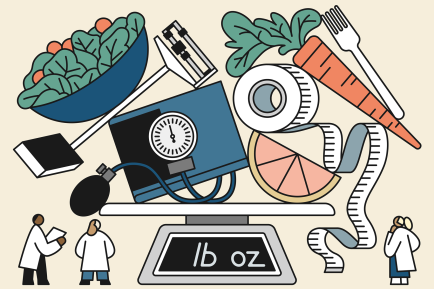
Illustration by Rose Wong via commonwealthfund.org

Obesity is a serious medical condition that makes a person more susceptible to a plethora of chronic illnesses and diseases. This complex disease is more than just a cosmetic concern and sometimes requires drastic lifestyle changes and/or medical intervention if things get out of hand. According to a report conducted in 2022 by the World Health Organization, approximately ⅛ of the world is obese. Obesity is diagnosed by measuring people’s weight and height and calculating their body mass index (BMI). According to many prominent medical standards, a BMI greater than or equal to 30 is considered obese. 

Health Risks of Obesity

Individuals who are medically diagnosed with obesity are statistically more likely to develop a variety of health issues, including:

  • Cardiovascular Disease – This can lead to hypertension, heart disease, or stroke.
  • Type 2 Diabetes – Resistance to insulin and blood sugar complications
  • Musculoskeletal and Mobility Issues – Osteoarthritis, chronic pain in the joints and bones.
  • Mental Health Concerns – Depression, self-esteem, and anxiety issues.
  • Other Conditions – Certain cancers, liver disease, and reproductive issues.

While this condition can be somewhat manageable, if a person stays within the BMI standards of what is considered obesity, they will continue to be vulnerable to these physical and mental health conditions. 

Causes of Obesity

Obesity is a chronic condition that can develop over time as you intake more calories than you burn. Taking in more energy (calories) than it is used is known as an energy imbalance, which causes the body to store more fat than it can be used in the future. Some typical causes of obesity include:

  • Lifestyle Factors: Poor diet and lack of physical activity.
  • Medical Conditions & Medications: Hypothyroidism, PCOS, and certain antidepressants or steroids.
  • Genetics: Hereditary metabolism differences.
  • Psychological Factors: Stress eating or poor sleep patterns.
  • Environmental & Social Factors: Limited access to healthy foods, socioeconomic influences, or sedentary jobs.

Strategies for Long-Term Weight Management

Weight loss is something that can be achieved through several methods, but long-term maintenance of weight loss, like obesity interventions, is considered more tedious and challenging. With the help of your physician and weight loss specialists, individuals with obesity can develop effective strategies for long-term weight management. Some common practices include:

  • Balanced diet
  • Regular exercise
  • Behavior and lifestyle changes
  • Medical interventions (when necessary)
  • Setting realistic goals

Lasting Care at Dr. Sangani & Associates

If you or someone you know suffers from chronic obesity, it’s important to address those health concerns as a long-term health priority. Here at Dr. Sangani & Associates, we understand that obesity is a complex medical issue that poses a significant risk to a person’s overall health. Our offices specialize in developing personalized, comprehensive treatment plans to address the genetic, environmental, behavioral, and metabolic factors that could be potentially contributing to the chronic condition. Obesity can place a setback on many qualities of your life, so don’t wait. Schedule an appointment with Dr. Sangani & Associates now so we can address your health issues today!

References

Causes and risk factors | NHLBI, NIH. (2022, March 24). NHLBI, NIH. http://nhlbi.nih.gov/health/overweight-and-obesity/causes

Cody Stanford, F., M. D. (2023, April 21). Understanding Obesity as a Disease. The Commonwealth Fund. https://www.commonwealthfund.org/publications/podcast/2023/apr/understanding-obesity-as-disease

Hall, K. D., & Kahan, S. (2017). Maintenance of lost weight and Long-Term management of obesity. Medical Clinics of North America, 102(1), 183–197. https://doi.org/10.1016/j.mcna.2017.08.012

Mayo Clinic Staff. (2023, July 23). Obesity – Symptoms and causes. Mayo Clinic. https://www.mayoclinic.org/diseases-conditions/obesity/symptoms-causes/syc-20375742

World Health Organization: WHO. (2025, May 7). Obesity and overweight. https://www.who.int/news-room/fact-sheets/detail/obesity-and-overweight

The Ultimate Back-to-School Health and Wellness Checklist: What Every Parent Should Know Before the First Bell Rings

As the school year approaches, it’s no surprise that our clinics begin to fill with concerned parents and their ill-stricken kids. Reuniting with friends or catching up with old ones can be exciting, but all that close contact could increase their risk of spreading germs and potentially getting sick–there’s also a chance of an injury occurring. 

You can expect many germs to be flying around during the first few months of school. Kids are sharing school supplies, using communal desks and computers, and pulling risky stunts during recess, a common area for injuries. Teaching them how to prevent the spreading of germs and to avoid dangerous behavior, like jumping off monkey bars, is a crucial first step. However, we understand that as a parent, your concern for your child’s health and wellness never goes away; that’s why you can depend on Dr. Sangani & Associates to provide quality care when it matters most.

Common Back-to-School Illnesses and Injuries

Kids are bound to experience a range of viruses, bumps, and bruises throughout their childhood. As a parent, knowing how to identify these issues if they occur can make all the difference. Below are some of the most common illnesses and injuries that show up throughout the school year:

Common Cold/Flu (Influenza): These respiratory pathogens are extremely contagious.

  • Symptoms: Sore/scratchy throat, consistent cough, high fever, runny or stuffy nose, sneezing, chills, muscle/body aches, and exhaustion.
  • How Does It Spread?: Coughing or sneezing without covering the mouth, inhalation of droplets containing illness, touching surfaces, and not washing hands after.

Stomach Bug (Gastroenteritis): A common illness affecting the stomach and intestines.

  • Symptoms: Consistent nausea/vomiting, frequent diarrhea, abdominal pain, high fever, headaches, and dehydration.
  • How Does It Spread?: Touching contaminated foods, drinks, surfaces, and then your mouth right after, not washing your hands.

Pink Eye (Conjunctivitis): A viral infection that primarily affects the eye.

  • Symptoms: Redness of the eye, itching and irritation, discharge from the eye (clear, yellow, or green), blurred vision, sensitivity to light (photophobia), swelling, or watery eyes. 
  • How Does It Spread?: Airborne droplets, touching a contaminated surface, or coming in direct contact with an infected person.

Backpack-Related Pain: A common and recurring, yet disregarded injury that affects the back, neck, and shoulders.

  • Symptoms: Pain in the back, neck, and shoulder area.
  • How Does This Occur?: Improper use of a backpack or overpacking.

Bruises/Sprains: Common musculoskeletal injuries that can affect various areas throughout the body. General areas include the shoulder, head, ankle, wrist, knees, back, and arms.

  • Symptoms: Discoloration, pain, tenderness, inflammation, and limited range of motion at the site of injury.
  • How Does This Occur?: Collisions, blunt force trauma, jumping and landing wrong, or falling.

How Do I Prevent My Child From Getting Sick Or Hurt?

Your pediatrician or family doctor will always be the best resource when trying to construct ways to prevent illnesses or injuries from harming your child. However, if they’re not available, these tips can help keep your child healthy and safe:

  • Vaccinations: Staying current with recommended vaccinations can protect you and your child (and others) against infectious diseases, like the flu!
  • Practicing Good Hand Washing: According to the CDC, washing your hands for 20 seconds with antibacterial soap under clean, running water can reduce your child’s susceptibility to respiratory infections by up to 20% and diarrhea-related illnesses by up to 30%.
  • Healthy Lifestyle: Incorporating simple, yet positive lifestyle choices in your kids’ lives early can prevent many illnesses and injuries. This includes a good sleeping schedule, a healthy diet, and regular physical activity.
  • Early Intervention: Scheduling regular check-ups at Dr. Sangani & Associates can help you catch problems before they become serious. Seek medical advice when necessary to prevent complications.

Ready To Take The Next Step?

You shouldn’t have to live in constant worry about your child’s health; that’s why Dr. Sangani & Associates offers wellness and preventative care as a part of our family medical services. Our experienced team of medical professionals specializes in the prevention, diagnosis, and treatment of various family illnesses and injuries. 
If you’re preparing for the upcoming school year and have concerns about your child’s health, don’t hesitate–contact Dr. Sangani & Associates to book your appointment today!

Resources

Emory Healthcare. (2024, July 24). Kids’ health: Common Back-To-School illnesses and injuries. https://www.emoryhealthcare.org/stories/wellness/kids-health-common-back-to-school-illnesses-and-injuries

Handwashing facts. (2024, April 17). Clean Hands. https://www.cdc.gov/clean-hands/data-research/facts-stats/index.html

Orthopedic & Sports Medicine Center of Oregon (OSM). (2022, November 10). 7 Most Common Accidents and Injuries During Back-to-School. https://orthosportsmed.com/7-most-common-accidents-and-injuries-during-back-to-school/

R. L. Sweet, C. (2009). Preventing Illness in the Public Schools. In the University of North Carolina Libraries: Carolina Digital Repository. Gillings School of Global Public Health, Department of Public Health Leadership and Practice. https://cdr.lib.unc.edu/concern/masters_papers/w6634668x/

Scripps. (2024, August 12). 10 Back-to-School Health and Safety Tips. https://www.scripps.org/news_items/3033-back-to-school-health-and-safety-tips

Thongseiratch, T., & Chandeying, N. (2020). Chronic illnesses and student academic performance. Journal of Health Science and Medical Research. https://doi.org/10.31584/jhsmr.2020738

5 Fun & Simple Ways to Move Your Body for Heart Health

Your heart loves movement—and it doesn’t have to be intense or complicated to make a difference. Getting your body moving using even the simplest forms of motion can lead to long-term heart health benefits. Whether you’re just starting your fitness journey or looking for beginner-friendly ways to stay active, these five fun options will help you care for your heart and feel great doing it.

1. Take a Walk

One of the easiest and most accessible forms of exercise, walking requires no equipment and can be done anywhere. According to the CDC, moderate walking can help reduce the risk of heart disease, lower blood pressure, and boost circulation. Start with short 10-minute strolls and gradually increase your pace or distance.

2. Turn Chores Into a Workout

Cleaning the house? Gardening? These everyday activities are convenient forms of light cardio. Try adding squats while picking things up, lunges while vacuuming, or turning up the music and dancing while doing dishes. The goal is to stay moving and make the most of your daily routines.

3. Join a Team Sport or Group Class

Physical activity doesn’t have to be solitary. Team sports or group fitness classes offer heart-pumping movement and social connection. Whether it’s recreational soccer, pickleball, or a community yoga class, group activity can keep you motivated and engaged.

4. Dance It Out

No rules, just rhythm! Dancing is a fun and effective way to get your heart rate up. Johns Hopkins Medicine lists dancing as one of the top heart-healthy exercises because it combines cardio, balance, and coordination. Put on your favorite playlist and move however feels good.

5. Dizziness or Lightheadedness

Feeling dizzy after standing up or during routine activity can be related to dehydration, which is common in summer. But when accompanied by heart palpitations or fainting spells, it could signal a cardiovascular issue that requires immediate attention.

5. Commit to Regular Movement

You don’t need a gym membership to support your heart. The American Heart Association recommends at least 150 minutes of moderate-intensity activity each week. That’s just 30 minutes a day, five days a week—and it can be broken into smaller chunks if needed. The key is consistency. Your heart will thank you!

Movement truly is medicine for the heart. Whether you’re walking the dog, dancing in your kitchen, or joining a local class, every bit of movement adds up to a healthier you.

Ready to learn more about your heart health or take the next step in your wellness journey? Schedule a check-up today with Dr. Sangani and Associates—we’re here to support you, every step of the way.

Ready to Take the Next Step?

Don’t ignore the signs your heart may be sending. A proactive check-up could help catch concerns early and give you peace of mind.

?️ Book your heart health appointment today: Schedule Now

Stay healthy, stay safe, and enjoy your summer with heart-smart habits!

Resources

American Heart Association“Recommendations for Physical Activity in Adults” This guide outlines how much physical activity is recommended for heart health and provides beginner-friendly suggestions https://www.heart.org/en/healthy-living/fitness/fitness-basics/aha-recs-for-physical-activity-in-adults

Centers for Disease Control and Prevention (CDC)“How Much Physical Activity Do Adults Need?” A comprehensive and accessible overview of physical activity guidelines with tips for getting started. https://www.cdc.gov/physicalactivity/basics/adults/index.htm

Johns Hopkins Medicine“5 Heart-Healthy Exercises” Offers a great list of practical and safe exercises that are particularly beneficial for heart health, ideal for all ages. https://www.hopkinsmedicine.org/health/wellness-and-prevention/5-hearthealthy-exercises

5 Signs Your Heart Needs a Check-Up This Summer

Summer is a season of sunshine, vacations, and outdoor adventures but it’s also an important time to check in on your heart health. While many associate heart issues with colder weather, the summer heat and increased activity levels can place extra stress on your cardiovascular system. Spotting subtle symptoms early can make all the difference. Here are five signs that your heart might be due for a check-up.

1. Fatigue That Doesn’t Match Your Activity Level

If you find yourself unusually tired after minimal exertion, it could be more than just the heat. Chronic fatigue, especially when it isn’t explained by poor sleep or overexertion, may indicate that your heart isn’t pumping efficiently.

2. Shortness of Breath

Feeling winded after climbing a single flight of stairs or walking short distances in the heat? While warm weather can make breathing feel heavier, persistent shortness of breath particularly when paired with chest discomfort may signal underlying cardiovascular issues.

3. Irregular Heartbeats

According to St. Vincent’s Medical Center, arrhythmias (irregular heartbeats) are often overlooked, especially when they feel like minor flutters or skipped beats. But persistent irregular rhythms can be a warning sign of atrial fibrillation or other heart rhythm disorders.

4. Swelling in the Legs or Feet

Swelling in your lower extremities during the summer might seem normal due to heat and travel. However, consistent swelling can indicate fluid retention a sign your heart may not be circulating blood efficiently.

5. Dizziness or Lightheadedness

Feeling dizzy after standing up or during routine activity can be related to dehydration, which is common in summer. But when accompanied by heart palpitations or fainting spells, it could signal a cardiovascular issue that requires immediate attention.

Why Summer Is the Right Time for a Heart Check-Up

Summer routines often bring more flexibility in scheduling and opportunities to refocus on personal health. As noted by Stony Brook Heart Institute, “preventative care during the warmer months can help you stay active and avoid complications later in the year.”

Plus, high temperatures and dehydration can exacerbate heart problems, especially for older adults and those with existing conditions. Staying ahead with a check-up now can help you enjoy your summer plans with confidence.

Ready to Take the Next Step?

Don’t ignore the signs your heart may be sending. A proactive check-up could help catch concerns early and give you peace of mind.

?️ Book your heart health appointment today: Schedule Now

Stay healthy, stay safe, and enjoy your summer with heart-smart habits!

Resources

pH Labs. (n.d.). Your Summer Heart Check-Up. Retrieved from https://phlabs.com/your-summer-heart-check-up

Stony Brook Heart Institute. (n.d.). Summer Heart Health Tips. Retrieved from https://heart.stonybrookmedicine.edu/summer

St. Vincent’s Medical Center. (n.d.). Stay Heart-Healthy This Summer. Retrieved from https://stvincents.org/about-us/news-press/news-detail?articleId=54116&publicid=395

Orange Grove Medical Specialties
Memorial Hospital 15286 Community Rod.
Gulfport, Mississippi 39501
228-822-6022
Cardiologist in Dallas,Texas
7777 Forest Ln C600, Room A,
Dallas, Texas 75230
214-259-7020
Request an Appointment
Schedule Now